

What Is Robaxin and How Does It Work?
Robaxin, known generically as methocarbamol, enters the body with a primary mission: to soothe tense, overworked muscles. Unlike painkillers that directly block pain, this medication targets the central nervous system, essentially “telling” muscles to relax and easing the discomfort that often follows intense physical activity or injury. This central approach can offer relief when muscle spasms threaten to disrupt training or performance.
Designed as a muscle relaxant, Robaxin doesn’t heal the underlying injury, but rather helps manage symptoms while the body recovers. Faster relief from cramping or acute muscle pain can help athletes move more comfortably during rehabilitation or after strenuous events.
| Aspect | Details |
|---|---|
| Generic Name | Methocarbamol |
| Primary Action | Muscle relaxation via CNS |
| Form | Tablet or injectable |
Why Athletes Might Turn to Robaxin for Relief
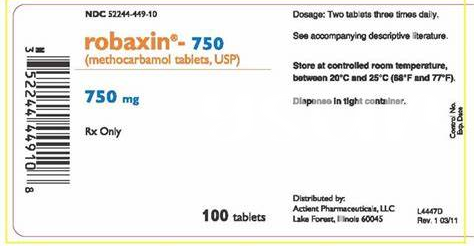
Sports often push the body past its limit, leading athletes to seek quick solutions for muscle pain and spasms. Robaxin, a well-known muscle relaxant, emerges as an appealing option for those looking to manage discomfort after intense training sessions or competitions. Its ability to ease muscle tension can help athletes stay on track with their demanding routines.
A key advantage lies in Robaxin’s potential to promote faster recovery and reduce downtime. By alleviating muscle spasms, it may minimize interruptions in training schedules.
For competitors aiming to maintain peak performance, the promise of rapid relief without the heavy sedation of some alternatives can be particularly attractive. This sets Robaxin apart as a practical option in fast-paced athletic environments.
Potential Benefits Robaxin Offers for Active Lifestyles
For athletes navigating rigorous training schedules, muscle recovery is key. Robaxin, a muscle relaxant, can aid in easing muscle spasms that may occur after intense workouts. Its non-sedative properties often let users stay alert and focused, which is vital during daily routines. Some athletes find that Robaxin’s rapid action offers timely relief, potentially reducing downtime. Because it targets musculoskeletal pain, it may help support consistent training and performance, allowing athletes to pursue their fitness goals with fewer interruptions.
Risks and Side Effects Every Athlete Should Know
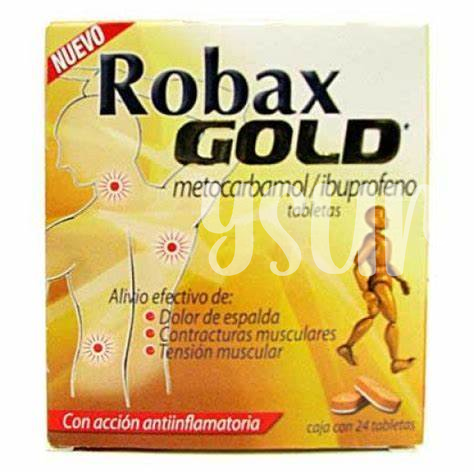
While Robaxin may offer much-needed muscle relief, it’s essential for athletes to understand the possible pitfalls before reaching for this medication. Drowsiness and dizziness are among the most common side effects, which could interfere with coordination and performance—something no competitor wants before a big game or training session. Some athletes also report stomach upset, blurred vision, and headaches, which may disrupt daily routines or hinder recovery.
On rare occasions, Robaxin can cause allergic reactions or lower blood pressure, raising safety concerns for those pushing physical limits. Furthermore, mixing Robaxin with alcohol or other medications may amplify these effects, potentially compromising reaction time or putting overall well-being at risk.
Robaxin Interactions with Common Supplements and Drugs
When athletes incorporate robaxin into their routines, understanding how it interacts with other substances is crucial for safety and performance. Combining robaxin with certain supplements or drugs—like antihistamines, sleep aids, or painkillers—can intensify drowsiness and slow reaction times, which poses a potential risk during training or competition. Some muscle-building supplements may also affect the body’s natural chemistry, leading to unpredictable effects when used alongside robaxin.
Athletes should communicate openly with their healthcare providers about all substances they’re using, from over-the-counter medications to nutrition aids. This ensures that unwanted interactions are avoided and overall athletic health remains a priority.
| Substance | Interaction with Robaxin | Potential Effects |
|---|---|---|
| Antihistamines | Increased sedation | Excessive drowsiness |
| Painkillers (opioids) | Combined CNS depression | Impaired motor skills |
| Muscle-building supplements | Unpredictable effects | Possible metabolic changes |
Legal, Ethical, and Sport Regulatory Considerations
When considering any medication as an athlete, understanding the boundaries set by sports organizations is crucial. Robaxin, known generically as methocarbamol, isn't classified as a banned substance by the World Anti-Doping Agency (WADA), but athletes should still be cautious. Prescription medications must be justified, and any misuse may be scrutinized under anti-doping rules. Ethical dilemmas can also arise when using pharmaceuticals to enhance recovery or performance, especially in competitive contexts where fair play is a core value. Consulting with a sports medicine specialist ensures compliance and helps navigate gray areas in athletic codes of conduct.
NIH - Methocarbamol Review DrugBank - Methocarbamol