

Understanding the Role of Synthroid in Pregnancy
For many women, pregnancy brings a wave of excitement, anticipation, and new health considerations. Among these, maintaining proper thyroid function stands out for its wide-reaching effects. Synthroid, a widely prescribed medication, steps in to support women whose thyroid glands underperform. As the body demands more thyroid hormone during pregnancy, Synthroid helps ensure these needs are met. Consistent hormone levels contribute to the well-being of both mother and baby, preventing complications tied to untreated hypothyroidism.
| Synthroid Benefits in Pregnancy | Potential Risks if Untreated |
|---|---|
| Stabilizes maternal thyroid levels | Miscarriage, preterm birth |
| Supports baby’s brain and growth | Developmental delays in baby |
Thyroid Hormones: Key Players in Fetal Development

From the earliest stages of pregnancy, the developing fetus depends entirely on the mother's supply of thyroid hormones to support the growth of essential organs, especially the brain and nervous system. These hormones act as tiny messengers, guiding cellular processes that build everything from the heart to the skeletal structure. Inadequate levels during this critical window may lead to long-term developmental concerns, making optimal thyroid function vital for both mother and baby.
For expectant mothers with hypothyroidism, medications like synthroid become indispensable. Synthroid helps ensure thyroid hormone levels remain within a healthy range, directly supporting the baby’s neurodevelopment. Regular hormone monitoring and timely dose adjustments are crucial as a woman’s needs can change rapidly during pregnancy, safeguarding the best possible outcomes for fetal development.
Why Dosing Adjustments Matter When Expecting
During pregnancy, a woman’s body undergoes incredible changes, and the demand for thyroid hormones rises to support the developing baby. If you’re taking synthroid, your healthcare provider may recommend adjusting your dosage to meet these new needs and ensure both your health and your baby’s proper growth.
Without proper dosage adjustments, you may face complications like slowed fetal development or pregnancy-related issues. Regular thyroid testing and open communication with your doctor are vital for keeping your hormone levels in the optimal range throughout pregnancy.
Managing Hypothyroidism Risks for Mother and Baby
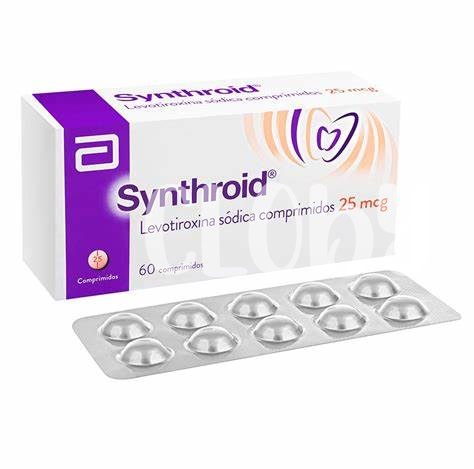
For expectant mothers with hypothyroidism, maintaining balanced thyroid hormone levels is vital for a healthy pregnancy. Untreated or poorly managed hypothyroidism can increase the risk of complications such as miscarriage, preeclampsia, low birth weight, and developmental delays for the baby. Synthroid, a synthetic form of levothyroxine, helps ensure the mother’s thyroid hormone levels remain within the optimal range, which is essential for both maternal health and fetal growth.
Doctors often recommend more frequent monitoring of thyroid function throughout pregnancy, as hormone needs can fluctuate. It’s important to adjust the Synthroid dose as necessary, under medical supervision, to match these changing requirements. This proactive approach helps prevent adverse outcomes and supports the child’s neurological and physical development right from the earliest stages.
Close collaboration with healthcare providers creates a personalized management plan that safeguards both mother and baby. Consistent medication adherence and regular checkups make a meaningful difference in pregnancy outcomes for women with hypothyroidism.
Common Myths about Synthroid and Pregnancy
Anxiety about medications during pregnancy is common, and misinformation can quickly spread. Some believe that taking Synthroid could harm the developing baby, leading to unwarranted worry for expectant mothers. In reality, untreated hypothyroidism poses greater risks for both mom and child than carefully managed Synthroid therapy.
Another misconception is that Synthroid should be discontinued once pregnancy is confirmed. On the contrary, most women with hypothyroidism need continued—and sometimes increased—thyroid hormone support for a healthy pregnancy.
Let’s clarify these myths with facts:
| Myth | Fact |
|---|---|
| Synthroid should be stopped during pregnancy. | Most women need continued or increased doses for fetal health. |
| It's safer for the baby if you avoid all medications. | Untreated hypothyroidism carries more risk than maintaining Synthroid therapy. |
Tips for Monitoring Thyroid Health Throughout Pregnancy
Throughout pregnancy, maintaining optimal thyroid function is crucial for both your health and your baby’s development. Regular blood tests, as recommended by your healthcare provider, allow you to track hormone levels and make timely adjustments to Synthroid dosage. Open communication with your physician ensures any changes in symptoms—like fatigue or palpitations—are addressed promptly, supporting a healthier pregnancy experience.
Understanding how even minor fluctuations in thyroid hormone levels can impact pregnancy informs crucial decisions. For more information, consult resources from the American Thyroid Association and the National Institutes of Health.