

Common Prescription Conflicts with This Antidepressant Explained
When patients start this tricyclic antidepressant, clinicians often recall a list of drugs to avoid. I once watched a friend suffer intense dizziness after combining it with a blood pressure pill; blends with SSRIs or MAOIs raise serotonin and cardiac risks, so vigilance matters.
Many common prescriptions — antihistamines, anticholinergics, and certain antipsychotics — amplify side effects like dry mouth, constipation, and blurred vision. CYP inhibitors (like some antifungals) can boost antidepressant levels; dose adjustments or timing changes are reasonable strategies to reduce harm.
Talk openly with prescribers about all medicines and ask about ECG monitoring if you have heart concerns. Occassionally pharmacists flag dangerous combos, and that safety net can prevent serious interactions; always consult.
| Drug class | Concern |
|---|---|
| SSRIs / MAOIs | Serotonin syndrome, increased sedation |
| Antihypertensives | Excessive blood pressure drop |
Dangerous Over-the-counter and Herbal Mixes to Avoid
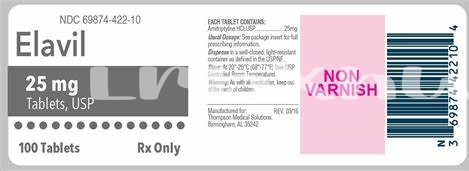
A pharmacy counter can feel like a minefield when you’re taking elavil; simple pills hide potent interactions. A single over-the-counter sleep aid can dangerously amplify drowsiness and breathing problems.
Teh aspirin, ibuprofen, and cold remedies sometimes boost side effects or mask warning signs.
Herbals such as St. John’s wort and ginseng alter metabolism, lowering effectiveness or raising toxicity. Even topical creams or supplements sold online can matter.
Always tell your doctor about vitamins and supplements, read labels, and ask a pharmacist before combining products to stay safe. Stay informed always.
Alcohol and Recreational Drugs: Hidden Risks Detailed
A patient once confessed mixing elavil with a weekend of drinking seemed harmless until dizziness and confusion began. That alarm turned into a sobering lesson about interactions few expect and fragile balance inside our bodies.
Combining depressants like alcohol, benzodiazepines, or opioids with tricyclics intensifies sedation and breathing risk. Stimulants and MDMA can provoke serotonin shifts or cardiac strain. Occassionally, unpredictable effects may escalate to medical emergency within a day.
Alcohol magnifies elavil’s sedative and seizure-lowering thresholds, especially when combined with sleep meds. Liver metabolism competition raises blood levels unpredictably. Drinking in chaotic enviroment or when fatigued further reduces judgement and heightens overdose potential.
If symptoms like fainting, racing heart, severe drowsiness, or breathing changes occur, seek urgent care. Always tell prescribers about substance use. Better to avoid mixing substances, and carry a list of meds for clinical review.
Serotonin Syndrome Triggers and Warning Signs to Recognize

Late one night a patient realized an unusual restlessness after starting a new migraine pill while still taking elavil; within hours trembling, confusion and a fever made the situation urgent. The scene is familiar in clinic: overlapping serotonergic agents can rapidly escalate from mild shivering to severe agitation and seizures.
Occured rapidly when SSRIs, SNRIs, MAOIs, triptans, certain opioids or herbs like St. John's wort are combined; signs include tachycardia, hyperthermia, clonus, hyperreflexia, agitation and diarrhea. Stop suspected agents and seek urgent care including cyproheptadine promptly for ICU monitoring immediately.
Heart Rhythm Interactions: Qt Concerns and Monitoring Tips
When a clinician prescribes elavil, the heart's electrical story can shift in subtle ways — QT interval prolongation is a real concern for susceptible patients. Risk rises with higher doses, underlying heart disease, low potassium or magnesium, and combined use of other QT‑prolonging drugs. Teh effect is often silent until palpitations, dizziness or syncope occur, so baseline ECG and a careful drug history are essential to spot who needs closer follow‑up.
Practical monitoring includes obtaining a baseline ECG and repeating it after dose changes or when adding interacting medications. Check and correct electrolytes, review all prescriptions and OTC supplements, and avoid duplicate QT risks; consider consulting cardiology for complex polypharmacy, including patient counseling. If significant QT prolongation or arrhythmia occurs, stop the suspect drug and seek urgent evaluation. Occassionally ambulatory monitoring or inpatient telemetry may be warrented for high‑risk cases.
| Monitoring | Action |
|---|---|
| Baseline ECG | Before start and after dose changes |
| Electrolytes | Check and correct K+/Mg2+ |
| Symptoms | Palpitations/syncope → urgent review |
Practical Steps When Multiple Medications Interact Concurrently
When multiple drugs interact with Elavil, a calm, systematic approach reduces risk. Start by making a shared medicine list — prescription, OTC, herbal and supplements — and bring it to every appointment. Ask your prescriber and pharmacist about specific interaction flags, timing adjustments, and whether dose reductions or lab monitoring are needed. Keep all records accessible and use a single pharmacy when possible so drug histories are centralized and warnings are easier to spot.
In situations where symptoms like dizziness, irregular heartbeat, severe drowsiness, or high fever occur, seek immediate care and bring your medicine list. Do not stop medications abruptly; discuss tapering plans with your clinician. Consider using pill organisers, setting reminders, and having periodic ECGs if QT risk exists. Pharmacists can often recommend safer alternatives or spacing strategies. Occassionally, temporary substitution avoids dangerous overlaps while preserving therapy benefits for safety. MedlinePlus: Amitriptyline Mayo Clinic: Amitriptyline