

Ozempic Only for Weight Loss: the Truth
I once met a patient who expected a magic bullet, picturing a tiny injection that erased cravings overnight. The reality is subtler: the drug was developed for type 2 diabetes and reduces glucose while often lowering appetite, but weight loss is a secondary benefit.
Doctors prescribe it based on blood sugar, cardiovascular risk and body mass index, not aesthetic goals. Usage requires monitoring; side effects like nausea occur and often fade over weeks, but severe reactions are rare.
Aparent myths oversimplify risks: stopping treatment can lead to regained weight, so long-term planning matters. Talk with your clinician to recieve guidance tailored to your health goals and med history.
| Use | Notes |
|---|---|
| Diabetes | Primary |
| Weight | Secondary |
| Monitor | |
Does Ozempic Cause Permanent Appetite Suppression?
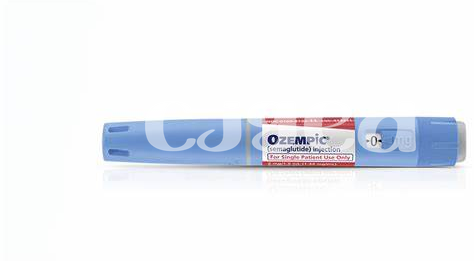
When people start ozempic, many report dramatic appetite changes — early days feel like hunger has been dialed down. Clinically, semaglutide affects brain receptors that influence satiety, so reduced cravings are expected. Still, individual responses vary and real-world stories mix hope with caution.
Important: this appetite change is usually reversible. If medication stops, appetite often returns over weeks to months as hormones and habits rebalance. Long-term suppression without continued treatment is uncommon; lifestyle shifts made during therapy (smaller portions, new routines) can sustain lower intake even after stopping.
Monitoring matters — persistent loss of appetite, weight loss that seems unsafe, or other worrying symptoms should prompt medical review. Teh goal is healthier eating patterns, not indefinite numbness to hunger. Clinicians balance benefits and risks, tailoring duration and support so any appetite effects are managed and not misinterpreted as permanent dependence for many.
Safety Concerns: Cancer Risk and Pancreatitis Debunked
Stories about drugs sparking cancer or pancreatitis grab headlines, but the science is calmer.
Large trials and reviews of ozempic show no clear causal link to most cancers; signals in animals lead to focused studies, not panic.
Pancreatitis worries stem from case reports, but controlled data find only slight or no increase in risk; doctors monitor and treat early.
Discuss history and symptoms with your clinician, weigh benefits vs risks, and remember that rare events need context, Occured cases are investigated, not ignored. Shared decision making matters more today always.
Who Should Use Ozempic: Prescription Criteria Explained

A clinician begins with diagnosis: adults with type 2 diabetes are primary candidates, especially when metformin and lifestyle changes aren't enough.
Guidelines often weigh BMI and cardiovascular risk; patients with obesity or established heart disease may benefit from ozempic as adjunct therapy.
Pregnancy, certain pancreatic or thyroid conditions, and a history of medullary thyroid carcinoma exclude use, so careful review is neccessary before prescribing.
Shared decision making matters: clinicians discuss goals, possible side effects, dose titration, and follow up so patients can Recieve informed care. Ongoing labs and monitoring advised.
Side Effects: What’s Normal Versus Warning Signs
I remember a patient describing early nausea when starting ozempic; it faded in weeks. That anecdote shows common reactions are often transient and mild, not always alarming.
Most people experience appetite changes, constipation, or diarrhea. These effects usually lessen after dose adjustments or over time, and doctors can recomend strategies to manage them.
Warning signs include severe abdominal pain, persistent vomiting, jaundice, or sudden vision changes. Seek help promptly if symptoms worsen or weight loss is extreme; these are red flags for serious issues like pancreatitis.
Listen to your body, discuss concerns with clinicians, and don't assume dependency; many stop treatment and maintain results.
| Symptom | When |
|---|---|
| Nausea | Mild |
Long-term Effects: Weight Regain and Dependency Myths
Many fear stopping Ozempic will trigger rapid rebound weight gain, but data suggest regain often tracks lifestyle and metabolism, not magical drug dependence. The medication offers cognitive breathing room to adopt sustainable habits.
Clinically, semaglutide alters appetite and slows gastric emptying; when discontinued, appetite can rise and previous eating patterns may re-emerge. This is physiologic, not addiction — though patients report feeling reliant on consistent appetite control.
To minimize regain, combine medication with nutrition counseling, activity plans, and behavioral therapy. Trials show better maintenance when lifestyle supports are in place; abrupt cessation without a plan often led to regain that had occured slowly.
Long-term success hinges on treating semaglutide as a tool, not a cure. Gradual tapering, regular follow-up, and realistic goals reduce dependency fears. Many sustain weight loss when integrated support reinforces habits and metabolic changes over time in practice. NEJM article FDA label