

Separating Weight Loss Facts from Wild Claims
I began curious and skeptical, hearing grand promises about a drug that reshaped bodies overnight. My first reaction was doubt, so I dug into journals and expert summaries.
Data shows many people lose weight, but results vary; context, diet, and activity still matter greatly. Expect plateau periods and individual differences.
Advertised miracles ignore nuance: trials reveal typical ranges, side effects, and the need for medical supervision. Talk with clinicians before starting.
Seperate hype from evidence by checking study size, duration, and patient profiles.
| Claim | Reality |
|---|---|
| Instant miracle | Gradual, clinical results |
Safety Concerns Versus Evidence What Studies Show
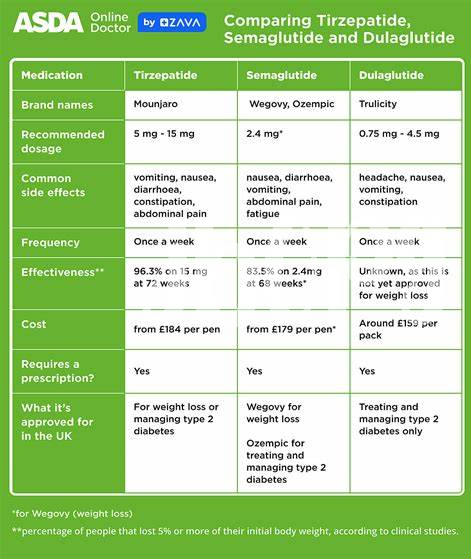
Anecdotes often spark fear, but large clinical trials give context: semaglutide reduced cardiovascular risk in some populations while primarily targeting weight and glucose.
Side effects like nausea and transient GI upset are common, yet serious events remain rare and are tracked closely by regulators and researchers.
Longer-term data continue to emerge; observational studies help acomplish real-world safety surveillance, showing most harms are manageable with monitoring.
Clinicians recommend individualized risk assessment, weighing benefits against rare risks, and educating patients so expectations are realistic and therapy is safe with ongoing follow-up plans.
Does It Cause Addiction or Food Aversion
A friend described how her appetite vanished after starting semaglutide; it felt dramatic, sparking fears about chemical dependence. Clinically, many report reduced cravings but not compulsive drug-seeking behavior.
Semaglutide acts on GLP-1 receptors in the hypothalamus and brainstem to enhance satiety, rather than directly hijacking mesolimbic dopamine reward circuits. Large trials detect no addiction signals, and monitoring continues.
Some people experience nausea, taste changes, or early fullness that create an aversion to certain foods. These effects are usually transient; Occassionally dose adjustments or timing modifications help.
Think of semaglutide as a tool that supports behavior change rather than a psychological crutch. Partner with clinicians, nutritionists, and counselors to build sustainable habits and ongoing regular monitoring.
Impact on Metabolism Beyond Simple Appetite Suppression

Researchers see semaglutide doing more than curb hunger; it alters glucose handling and fat storage signals in the liver and muscle. In practical terms, weight loss can be accompanied by improved insulin sensitivity and modest shifts in resting energy use, not just fewer calories consumed.
Clinically, metabolic tweaks may explain why blood sugar improves before weight loss. Effects vary by person and treatment length. Studies advise clinicians to monitor glucose and lipids, adjust activity or meds, and prioritize safe, sustained outcomes — Teh aim is long‑term health over quick fixes.
Side Effects Reality Check Manageable or Dangerous
Many patients worry that semaglutide side effects are catastrophic, but most are mild and transient. Nausea, constipation and injection-site reactions top the list; they usually ease within weeks as the body adjusts. Teh key is patient education and dose titration under medical supervision.
Serious events such as pancreatitis or gallbladder disease are uncommon; clinical trials show low incidence, but patients with prior risk factors need careful evaluation.
| Effect | Frequency | Notes |
|---|---|---|
| Nausea | Common | Transient |
| Injection-site | Uncommon | Mild |
With proper monitoring most side effects are manageable; dose adjustments, hydration and antiemetics can help. Rare severe events require immediate care and discontinuation if confirmed, with ongoing follow up and support
Long Term Use Myths about Dependency and Outcomes
Many imagine a life-long crutch or chemical dependence, but evidence tells a different story. Semaglutide modulates appetite and glucose pathways without producing classic signs of addiction. Long trials show sustained weight improvements while treatment continues, yet individual responses vary; some regain weight after stopping, so it behaves more like chronic therapy than an addictive drug.
Long-term safety data are encouraging but not limitless; large trials track cardiovascular and metabolic outcomes and show benefits, while serious adverse events remain rare. Stopping treatment often returns hunger signals, so maintenance strategies are Aparent. Shared decision-making, periodic reassessment and lifestyle supports reduce uncertainty and maximize the chance of durable, healthy outcomes. Regular monitoring helps tailor dose and mitigate risks. NEJM STEP Trial FDA Semaglutide Information